
Have a Question?
The Craft of Writing Workshop
Ask the right questions as you collaborate or work independently to craft your story. Master techniques for creating deeper imagery, compelling narratives, and authentic dialogue—all while enjoying the writing process.
Master Storytelling Through Crime Scene Investigation
Discover the art of storytelling with our immersive Year 11 and HSC English Craft of Writing workshop, designed to develop deeper imagery, engaging narratives, and authentic dialogue. Through a unique blend of interactive crime scene investigation and creative writing techniques, students will master the craft of intrigue, learning how to ask the right questions as they shape their stories.
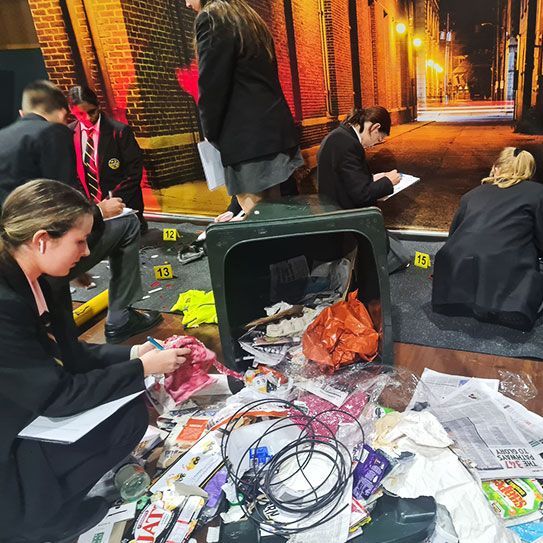
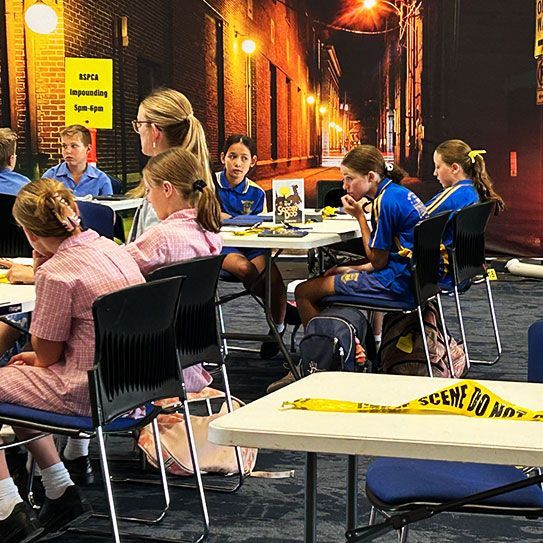
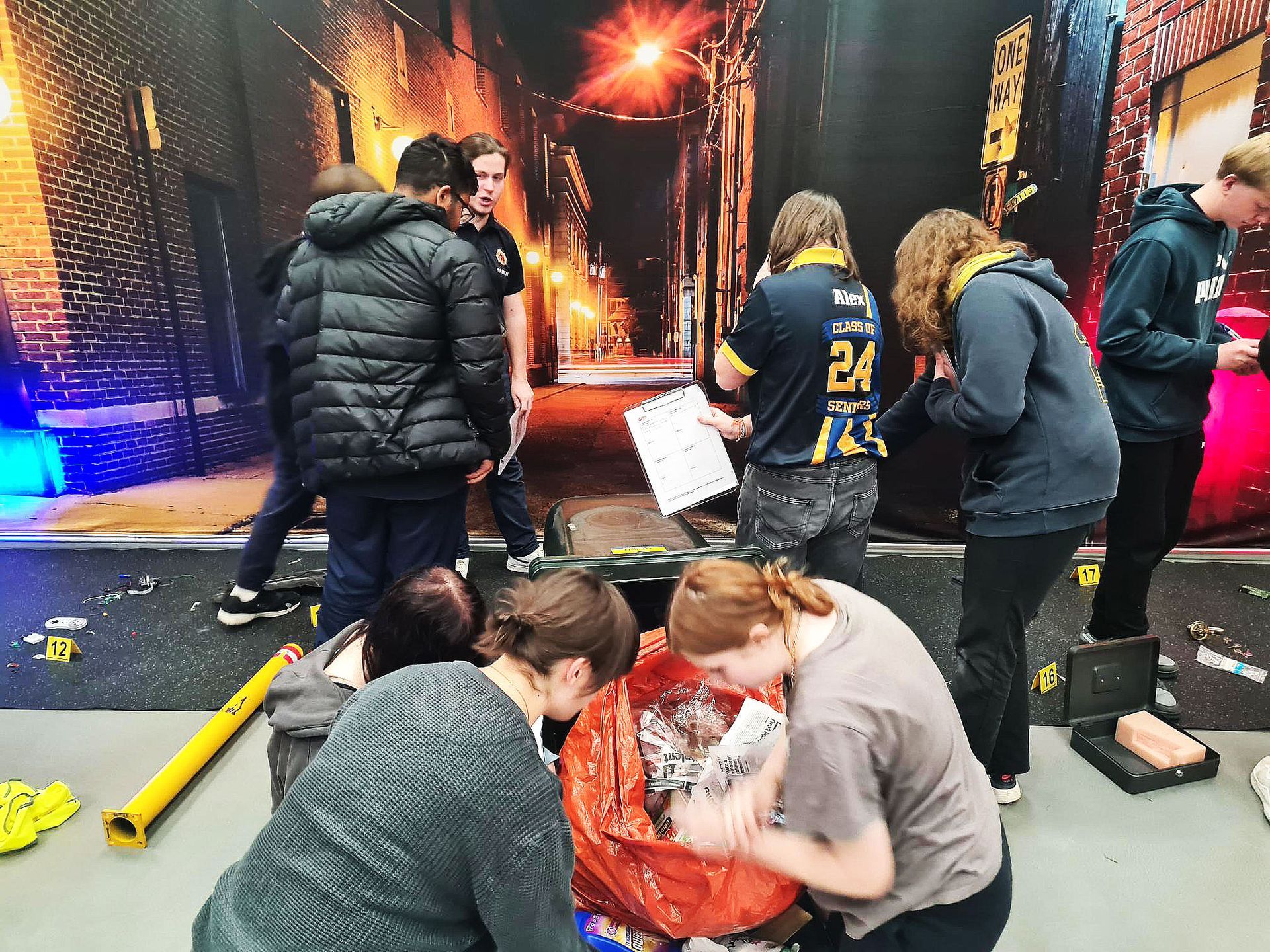
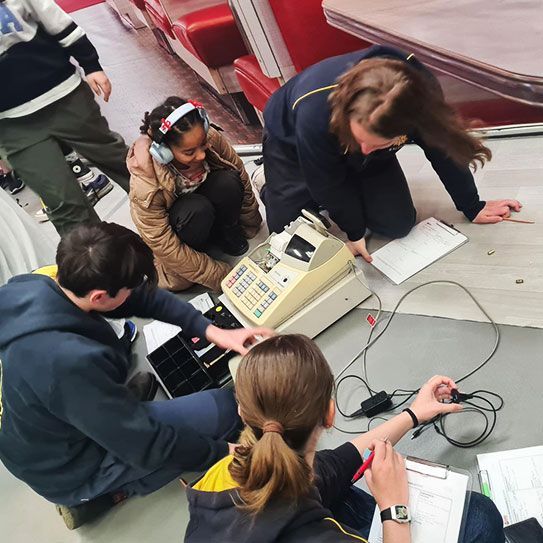
Crime Story uses large-scale, digitally printed crime scene backdrops enhanced with real exhibits like shell casings, DNA, fingerprints, safes, and more. Students will work through hundreds of potential pieces of evidence across interconnected crime scenes—from an armed robbery at a diner to a trashed office—all while learning alongside a 'literary detective.'
Workshop Highlights
Real Crime Scenes
Immerse yourself in 6 x 2.25-meter digitally printed backdrops, showcasing both authentic and simulated evidence like shell casings and DNA samples. Explore interconnected crime scenes, following the clues while learning from experienced detectives.
Hands-On Forensics
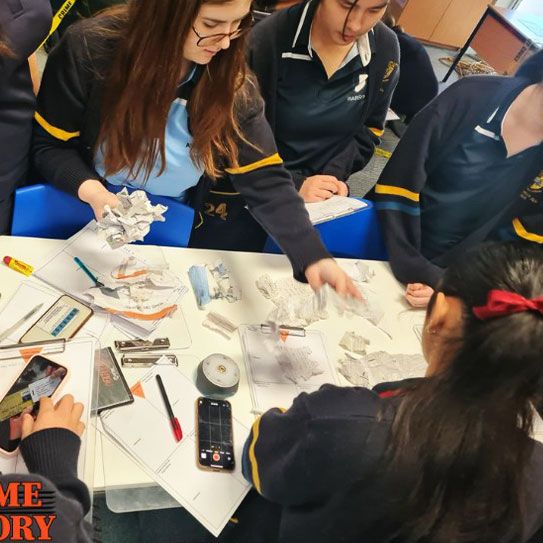
Get hands-on experience with real forensic tools and techniques, including fingerprinting, evidence collection, and crime scene analysis.
Workshop Structure
Pre-Session Preparation
- Optional: 1-hour live or Zoom training for staff (Professional Development)
- Preparing and distributing materials: facilitator guides, prompt cards, key terms, and an introduction to Crime Story
Session 1: Immersive Workshop (1 or 2 Days)
- Interactive crime scene immersion with forensic tutorials (fingerprinting, DNA)
- Insights into HSC expectations: What are examiners looking for?
- Techniques like procedural narrative, lexical chaining, framing, and characterisation
- Crime scene analysis and the art of intrigue through indirect characterisation
- Crafting motifs, sensory imagery, and authentic dialogue
- Applying writing techniques to HSC prescribed texts and reflection statements
- Includes workbooks, gloves, evidence bags, and clipboards for investigations
(2nd day option includes: mastery, additional techniques and alignment with prescribed texts)
Session 2: Crime Story Live (Post-Session Zoom)
- Reflection Statements or Live Feedback Hot Seat session (3 writing samples assessed live)
- Consolidation of learning and completion of reflection statements
Sample Outcome Targeting with Crime Story for effective writing
Outcomes
EA 12-4 strategically
adapts
and
applies
knowledge,
skills
and understanding of language concepts and literary devices in new and different contexts
Rationale
how writers use language creatively and imaginatively for a range of purposes; to express insights, evoke emotion, describe the wonder of the natural world, shape a perspective or to share an aesthetic vision.
Outcomes
EA 12-5
thinks imaginatively,
creatively,
interpretively, critically and discerningly to respond to, evaluate and
compose texts
that synthesise complex information, ideas and arguments
Rationale
students experiment with various figurative, rhetorical and linguistic devices, for example allusion, imagery, narrative voice, characterisation, and tone. Students consider purpose, audience and context to deliberately shape meaning. During the editing stages students apply the conventions of syntax, spelling, punctuation and grammar appropriately and effectively.
What People Are Saying
Feedback from our students, educators and event organisers.
Let us collaborate with your school to align with crafted writing, narratives, or any HSC module needs.
What Sets Us Apart
Expert Leadership
Workshops led by experts with 15 years of criminal investigation and 12 years of teaching experience.
HSC Marking Insight
HSC marking experience to provide valuable insights into exam expectations.
Customised Experience
2-3 crime scenes per participant, with content adaptable for 1 or 2-day workshops.
Flexible Curriculum
Content can be customised for Year 11 or Year 12 groups, rotated thematically to prevent repetition.
Tailored Learning Outcomes
Outcomes specifically tailored to match school requirements for writing modules.